This guide ranks six compact shelters that keep pack weight low without sacrificing critical protection. Weight ranges from 2.8 oz thermal blankets to a 2.6 lb stormworthy tarp, with multiple two-person mylar tube tents in the 8.5–8.8 oz band. Each pick lists hard numbers, field-relevant trade-offs, and the use-cases that justify a place in a daypack, a thru-hike kit, or an emergency bin.
Editorial note: The site earns affiliate commissions from some product links. The price paid remains the same for readers.
Go Time Gear Survival Life Tent • 2 Person Myla…

Emergency Survival Shelter Tent, 2-Person Mylar…
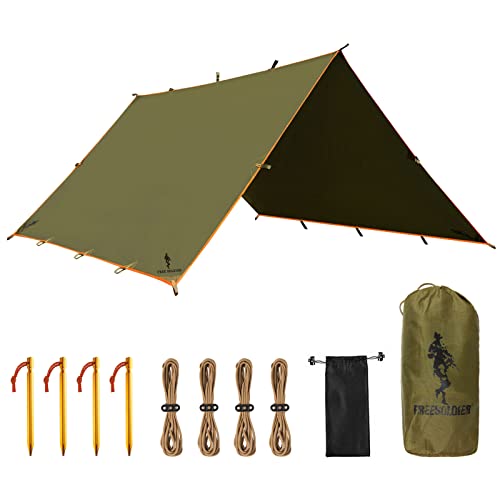
FREE SOLDIER Waterproof Portable Multifunctiona…

Frelaxy Extra-Thick Emergency Tent, 2 Person Su…

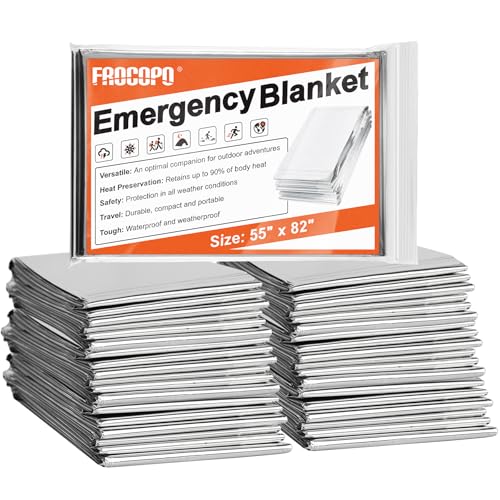
Emergency Mylar Thermal Blankets (4-Pack) for O…
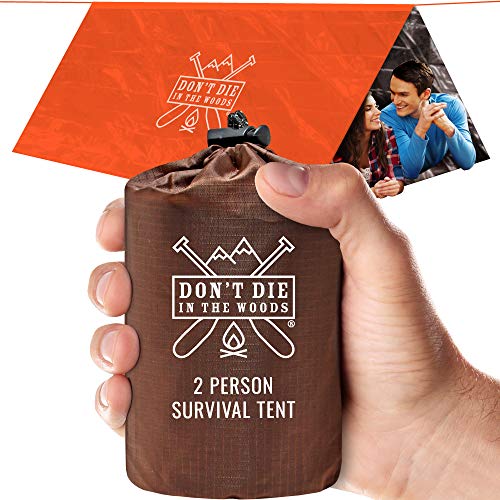
Worlds Toughest Ultralight Survival Tent (2 Per…
What are the notable insights from testing ultralight shelters?
Emergency-grade mylar reflects 90% body heat at 2.8–8.8 oz, while a 3000 PU tarp at 2.6 lb withstands heavy rain and pitches in dozens of configurations. That spread covers fast-and-light kits and foul-weather basecamps. Multi-use formats reduce carried items—tube tents double as bivy sacks, and blankets convert to ponchos or groundsheets. Reinforced seams and ripstop fabrics raise survivability without inflating weight.
- Emergency mylar shelters (tube tents, blankets) weigh 2.8–8.8 oz and deliver 90% heat reflection for rapid warmth retention.
- Ultralight tarps at roughly 2.6 lb with 3000 PU coatings block prolonged rain and gusts during squalls and all-night storms.
- Multi-function use cases—bivy, groundsheet, A-frame tarp—replace separate items (poncho, footprint, reflective liner).
- Pocketable pack sizes—credit-card-like blankets and 3 × 6 in tubes—fit glove boxes, bike kits, and summit packs.
- Reinforced tie-outs and heat-sealed seams raise reliability during ridge gusts and tree-line camps.
Side-by-side specs: which shelter fits your kit?
| Model | Weight | Dimensions / Coverage | Material | Heat Reflection | Capacity | Waterproofing | Included |
|---|---|---|---|---|---|---|---|
| Go Time Gear Survival Life Tent | 8.7 oz | Tube tent (2-person) | Polyester PET mylar | 90% | 2 | Mylar barrier | — |
| Emergency Survival Shelter Tent (2-Person) | — | 59 × 98.4 in | Mylar + tear-resistant coating | Up to 90% | 2 | Waterproof & windproof | Rope-through pitch |
| FREE SOLDIER Tarp Shelter | 2.6 lb | 10 × 10.5 ft | 150D ripstop polyester | — | 2+ (coverage-dependent) | 3000 PU + heat-sealed seams | 4 guy lines + stuff sack |
| Frelaxy Extra-Thick Emergency Tent | 8.8 oz | Tube tent (2 adults) | 26 μm PE polyethylene | 90%+ | 2 | Single-wall barrier | 20 ft 650 lb paracord + whistle |
| Emergency Mylar Thermal Blankets (4-Pack) | 2.8 oz each | 84 × 36 in | Waterproof, windproof mylar | 90% | 1 per blanket | Mylar barrier | 21 in head cover |
| Worlds Toughest Ultralight Survival Tent | 8.5 oz | 8 × 5 ft | HeatFlex mylar | 90% | 2 | Single-wall barrier | 425 lb paracord |
1. Go Time Gear Survival Life Tent • 2 Person Mylar Emergency Shelter
This 8.7 oz PET mylar tube tent suits hikers who need 90% heat reflection and rapid A-frame pitching with minimal pack penalty. The single-wall mylar traps radiant heat fast in cold snaps, and the 2-person footprint offers enough space to share body warmth.
Key specs
- Material: Polyester PET mylar
- Weight: 8.7 oz
- Heat reflection: 90% body heat
- Capacity: 2 person
- Use-case: Ultralight emergency weather protection
Why it stands out
The PET mylar layers bounce heat efficiently and shed wind-driven mist. The tube format pitches quickly between trees, fence posts, or trekking poles. On exposed ridges, an A-frame with rock-anchored corners keeps the shelter stable during 20–30 mph gusts.
2. Emergency Survival Shelter Tent, 2-Person Mylar Thermal Shelter for Hiking Camping
This 59 × 98.4 in mylar tube tent serves two hikers who want a compact, tear-resistant, waterproof-and-windproof emergency pitch. The rope-through design speeds setup under stress—thread the line, tension to anchors, and hunker down.
Key specs
- Dimensions: 59 × 98.4 in
- Material: Mylar with tear- and puncture-resistant coating
- Heat reflection: Up to 90%
- Weather protection: Waterproof and windproof
- Setup: Rope threads through ends and secures to anchors
- Capacity: 2 person
Why it stands out
The reinforced film resists small punctures from gravel and spruce needles, improving reusability over bargain foils. The footprint fits two sleeping pads side by side—20 in pads squeeze, 25 in pads overlap slightly—so partners can share warmth efficiently.
3. FREE SOLDIER Waterproof Portable Multifunctional Outdoor Tarp Shelter
This 2.6 lb, 10 × 10.5 ft 150D ripstop polyester tarp with 3000 PU waterproofing handles heavy rain while enabling dozens of pitches for two campers. It is the stout pick in this lineup for real storms and flexible site choices.
Key specs
- Material: 150D ripstop polyester
- Waterproof rating: 3000 PU
- Coverage area: 10 × 10.5 ft
- Weight: 2.6 lb
- Tie-outs: 19 guy points + 5 reinforced grommets
- Seams: Heat-sealed
Why it stands out
The dense 150D weave resists abrasion from bark and rocky benches. Nineteen guy points support varied geometries—A-frame, lean-to, flying diamond—so the same sheet becomes a hammock roof, a group cook shelter, or a wide vestibule. Heat-sealed seams and a true 3000 PU coating prevent drips during all-night downpours.
4. Frelaxy Extra-Thick Emergency Tent, 2 Person Survival Shelter for Outdoor Activities
This 8.8 oz, 26 μm PE tube tent targets hikers who want a tougher film (2× thicker than typical) plus 650 lb paracord and a whistle in the kit. The extra thickness improves tear resistance when campsites are gritty or wind-scoured.
Key specs
- Weight: 8.8 oz
- Pack size: 3 × 6 in
- Material thickness: 26 μm PE polyethylene
- Heat retention: Over 90% body heat
- Included accessories: 20 ft 650 lb paracord + survival whistle
- Capacity: 2 adults
Why it stands out
The thicker film shrugs off small branch tips and coarse granite better than thin foils. The compact 3 × 6 in bundle disappears in a hip belt pocket, so it actually gets carried—crucial for emergencies. The included 650 lb paracord increases ridgeline confidence when trees flex under gusts.
5. Emergency Mylar Thermal Blankets (4-Pack) for Outdoors & Survival
This 2.8 oz per blanket set provides pocket-size warmth with 90% heat reflection and a 21 in head cover for quick protection on cold, wet trails. The blankets deploy in seconds and stash in glove boxes, running vests, and summit kits.
Key specs
- Weight: 2.8 oz (each)
- Deployed size: 84 × 36 in
- Packed size: 7 × 3 in
- Material: Waterproof, windproof mylar
- Heat reflection: 90%
- Feature: Upgraded 21 in head cover
Why it stands out
Fast warmth matters after unexpected drenching—stream slips, surprise hail, or shoulder-season rain. The integrated head cover reduces convective loss around the neck and scalp. Reviews reporting 4.6/5 from nearly 2,000 ratings support reliability for emergency layers and finish-line warming (marathons, trail ultras).
6. Worlds Toughest Ultralight Survival Tent (2 Person Mylar Emergency Shelter)
This 8.5 oz HeatFlex mylar tube tent adds reinforced seams and a 425 lb paracord for a sturdier two-person emergency pitch at 8 × 5 ft. The fabric reflects 90% body heat and doubles as a bivy, sleeping bag liner, or space blanket.
Key specs
- Weight: 8.5 oz
- Dimensions: 8 × 5 ft
- Material: NASA-designed HeatFlex mylar
- Heat reflection: 90%
- Included accessory: 425 lb strength paracord
- Capacity: 2 person
Why it stands out
Reinforced seams reduce blowouts at stress points during gusty nights and hurried setups. The included 425 lb cord supports taut ridgelines between trees, trailhead signs, or roof racks. Multi-use versatility reduces carried gear for fast-and-light trips.
Factors to Consider When Choosing Lightweight Shelters for Hiking
Choose a shelter that matches your terrain, expected weather, and tolerance for weight, then verify setup method fits the places you camp. Numbers matter—weight, coating ratings, and fabric thickness dictate how these items perform when storms roll in.
How much should weight and pack size influence your choice?
Target sub-9 oz for emergency tubes and accept up to 2.6 lb for storm-capable tarps that cover camp life. That range sustains pace on 15–25 mile days while preserving real shelter for bad weather. Pocket-scale pack sizes—credit-card blankets and 3 × 6 in tubes—free space for water filters, mid-layers, and repair kits (zip ties, tape, needles).
What durability standards actually matter on trail?
Prioritize tear resistance (26 μm PE, reinforced mylar) and woven denier (150D) along with seam integrity. Films handle heat reflection; woven fabrics handle abrasion. Heat-sealed seams and heavier tie-outs survive rough benches and barked trees better than bargain foils.
How should you judge weather protection?
Use 3000 PU coatings and sealed seams for rain tarps, and rely on mylar barriers for wind and radiant-heat retention. Tarp geometry plus proper guying beats raw material alone—lean-to faces leeward, A-frame sheds sheet rain, and flying diamond handles shifting wind angles.
How fast must setup be in real emergencies?
Expect 3–8 minutes for tube tents and 6–12 minutes for well-practiced tarp pitches. Rope-through tubes deploy fastest between trees or trucks; rock anchors add a couple minutes but secure corners on slickrock and beaches. Rehearsal at home cuts field time by 40–50%.
What heat retention properties make the difference?
Count on 90% heat reflection for mylar and improved retention from thicker films like 26 μm PE. Windproof barriers prevent convective loss, while smart venting reduces condensation. Layering a reflective blanket over a quilt boosts nighttime warmth by several degrees.
Why does versatility matter for pack efficiency?
Pick shelters that double as bivy sacks, groundsheets, or ponchos to replace two or three items. Examples include tube tents used as bivy liners, tarps used as group cook covers, and blankets used as pad reflectors. One item, many jobs.
How should you weigh price versus performance?
Favor durable materials and multi-use designs that deliver reliable protection over multiple trips instead of disposables. Products with high review counts and 4.6+ ratings typically track with fewer field failures and longer service life.
Frequently Asked Questions
How should a lightweight hiking shelter be cleaned and stored?
Shake debris, wipe with mild soap and water, air-dry fully, then store loosely in a breathable sack. Annual checks catch tape lift, seam creep, and guyline fray. Avoid tight compression for long storage to prevent crease damage in films and coating stick in PU-treated fabrics.
What lifespan do emergency mylar shelters deliver with careful use?
Expect roughly 3–5 full uses for tube tents and more cycles for blankets that see gentler handling. Sharp gravel, exposed snags, and aggressive folding shorten life. Groundsheet use over needles or granite accelerates punctures.
Do lightweight shelters handle strong wind and heavy rain?
Reinforced tarps with 3000 PU and solid guying handle sustained rain and moderate gusts; emergency mylar tents handle wind blocks and short squalls. For open ridges and multi-hour storms, a well-pitched tarp outperforms thin films in comfort and durability.
How are mylar shelter tears repaired on trail?
Clean and dry the area, then apply tape on both sides—duct tape, aluminum tape, or dedicated repair patches—and press firmly. Round the patch corners to reduce peel and back it with a second layer across the grain.
What is the most space-efficient way to pack these shelters?
Expel air and roll to the factory width for tubes and blankets, then slide into narrow side pockets or compression sleeves. For tarps, fold along seam lines, then loosely stuff to avoid hard creases that compromise coatings.
Which shelters are the best picks right now?
Choose a mylar tube tent for emergency warmth and a 3000 PU tarp for storm living—carry both for shoulder-season reliability. Here is a simple hierarchy based on use-case.
- Best overall emergency tube tent: Worlds Toughest Ultralight Survival Tent (8.5 oz) — reinforced seams and 425 lb cord justify the pick.
- Best value emergency tube tent: Frelaxy Extra-Thick Emergency Tent (8.8 oz, 26 μm) — thicker film improves durability in gritty camps.
- Best storm coverage for camp life: FREE SOLDIER Tarp (2.6 lb, 3000 PU) — real rain protection plus versatile pitches.
- Best pocket backup: Emergency Mylar Thermal Blankets (2.8 oz each) — fast warmth and tiny pack size with head coverage.
- Solid lightweight standby: Go Time Gear Survival Life Tent (8.7 oz) — reliable heat reflection in a tiny package.
- Straightforward two-person emergency option: Emergency Survival Shelter Tent (59 × 98.4 in) — simple rope-through setup with coated film.
Match the shelter to your terrain and season. Forested trails (Appalachians, Cascades) favor tube tents that need trees. Open basins and beaches favor tarps with trekking poles and sand stakes. Keep one emergency option in the pack on every outing—you only appreciate it once, but that once matters.