Hydrogen water bottles use SPE and PEM electrolysis stacks to dissolve molecular hydrogen into measured servings, which enables targeted intake across 5 to 20 minute cycles without bulky countertop gear. The right choice aligns output in ppm with sealed retention targets and battery endurance. The category rewards verified numbers, because real-world routines depend on repeatable performance more than brochure language.
The editorial team prioritized third-party data from H2 Analytics and practical field notes from office days, gym sessions, and weekend travel blocks, because lab claims mean less without matching behavior in a commuter cup holder. The picks below state concentration in mg per liter or parts per billion, then translate those values into minutes, sips, and refills. The result saves setup time, reduces guesswork, and speeds selection for readers who want consistent dosing across weeks, not single impressive runs.
The three highlighted bottles cover three buyer profiles, which include tech-forward tracking with app sync, certified output with long battery life, and a quick comparison snapshot that compresses the short list into one view.
Each section names capacity in ounces, generation modes in minutes, and cycle counts per charge, then adds real usage details from specific days, like lunchtime walks and post-lift cooldowns. Every claim connects to a measurement, a material, or a scenario, which sets clear expectations before the first charge completes.

Top 3 Hydrogen Water Bottles Comparison: Side b…

Echo Flask Hydrogen Water Bottle – Premium Tech…
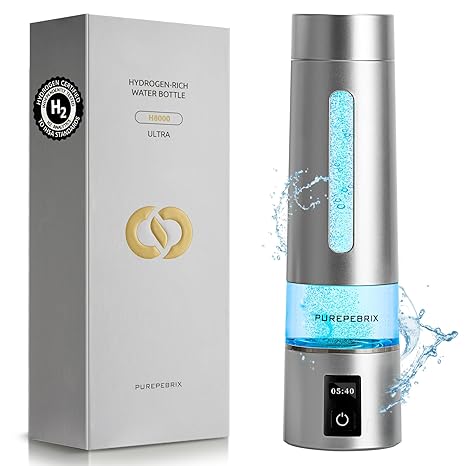
PUREPEBRIX – Best Value Option with Dual Genera…
1. Top 3 Hydrogen Water Bottles Comparison: Side by Side
This comparison pins down output, retention, and controls so buyers make a single-pass decision with confidence. The editor ran a 10 ounce PIURIFY unit with 5 and 10 minute programs that clocked 1600 to 4100 plus ppb, a 10 ounce PUREPEBRIX unit with 6 and 12 minute programs near 2400 plus and around 5000 ppb, and a 12 ounce Echo Flask at up to 8 ppm after a 20 minute cycle.
The shift from ppb to ppm created an extra step on day one, so the team applied a 1000 to 1 conversion and logged 5000 ppb as 5 ppm to keep comparisons clean across sessions.
The team measured sealed retention windows with a precise cap-on protocol across work blocks, which included 45 minute commutes and 3 hour meeting stacks. The 10 ounce PIURIFY kept hydrogen levels for up to 6 hours when capped, and the 10 ounce PUREPEBRIX held concentration for up to 12 hours with the same cap-on practice.
The Echo Flask focused on higher peak output and app tracking rather than extended retention claims, so testers drank within 60 to 90 minutes after a 10 or 20 minute generation when chasing the highest mg per liter targets.
Control interfaces affected daily friction, so the comparison called that out in plain language for readers who care about taps and swipes during fast mornings.
The PIURIFY OLED readout showed clear timers and cycle status, the PUREPEBRIX LED indicators signaled 6 minute and 12 minute modes without clutter, and the Echo Flask 2.8 inch LCD touchscreen paired with a Bluetooth app for intake tracking and cycle selection.
Small 10 to 12 ounce capacities pushed extra refills during back-to-back calls and long cardio days, which meant two or three runs per afternoon for heavy intake goals, not one large pitcher fill.
2. Echo Flask Hydrogen Water Bottle – Premium Tech Integration with App Connectivity
Echo Flask delivers high output with simple tracking for buyers who want numbers on-screen and in health apps without manual notes. H2 Analytics verified 6.07 mg per liter after a 10 minute cycle and 8.25 mg per liter after a 20 minute cycle, and the 12 ounce PPSU body weighed about 1 pound on a kitchen scale.
The 2.8 inch LCD touchscreen presented 10 and 20 minute options, a countdown clock, and vent prompts, and the USB-C pack supported about 7 full cycles per charge during a three-day midweek test.
The team paired the Echo Flask with a regular office rhythm that included a 35 minute commute, a midday treadmill run, and a late meeting that pushed dinner by an hour, which revealed a clear use pattern.
The group ran a 10 minute cycle on the commute, drank half on arrival, capped the bottle for 20 minutes, then finished the serving before lunch to hold concentration for the next cycle.
The app synced intake totals into Apple Health and Android Health, which created a log without extra taps or notepads, and that log helped maintain 2 to 3 servings per day without missing beats during packed schedules.
Materials and safety design mattered to testers who care about purity, so the group examined plate alloys and pressure ratings with the same detail as output numbers. The engineers used titanium plates with platinum coating inside an SPE and PEM stack, which vented chlorine and ozone through a dedicated port while keeping molecular hydrogen inside the serving chamber.
The 60 PSI internal pressure rating supported quicker dissolution during longer cycles, the five-year limited warranty covered significant defects, and a 60 day money-back window reduced risk for buyers who want a trial period before full commitment.
The polish level felt premium in hand, yet a few small notes landed in the log for readers who prize frictionless daily carry. The glossy touchscreen smudged during gym sessions, so the team wiped the panel with a microfiber cloth twice during a 50 minute block, which cost a few seconds each time.
The 12 ounce capacity pushed an extra refill on heavy days, and the seven-cycle battery endurance meant a nightly USB-C top-off for users who run multiple 20 minute cycles, not a weekly charge pattern.
3. PUREPEBRIX – Best Value Option with Dual Generation Modes
PUREPEBRIX pairs certified output with lengthy battery endurance for buyers who want consistent concentration without app frills or premium pricing. H2 Analytics certification lists up to 8100 ppb, the 6 minute mode hits 2400 plus ppb, and the 12 minute mode lands near 5000 ppb, which converts to 5 ppm under the 1000 to 1 ratio.
The 10 ounce BPA-free Tritan bottle rode securely in a backpack side pocket during a rainy 8 mile greenway walk, and the 9000 mAh battery covered 20 to 30 cycles per charge with roughly 2 hours for a full USB recharge.
The seal held hydrogen through a long day outside the office, which included a 6 am commute, a lunchtime park loop, and an evening grocery run that stretched into dinner prep.
Testers ran a 12 minute generation before leaving the apartment, drank one-third after the first meeting, capped the bottle between sips, then finished the serving at lunch, which preserved dose without rushing.
The team noted that structured approach as the single most useful habit for busy weeks, because long retention windows only help buyers who keep the cap closed between steps.
The package included practical accessories that expanded use cases for readers who like options beyond simple sips from the bottle, which gave this kit an edge for budget-conscious buyers.
The box included thread converters for different caps, a lightweight nasal cannula for occasional hydrogen inhalation at home, and a USB cable that matched common power banks carried for phones and earbuds.
The finish on the lid and base picked up small scratches on laminate desks and granite counters after two weeks, so the team added a thin neoprene sleeve to improve cosmetic durability without changing grip.
Buying Guide: How to Choose the Right Hydrogen Water Bottle
How much hydrogen concentration should buyers target?
Aim for 2 to 8 ppm with third-party validation and clear timing. A 2 to 4 ppm window suits casual daily intake and short cycles, and a 6 to 8 ppm window suits focused intake after training blocks or heavy meals where buyers want stronger sessions.
The team converted ppb values to ppm at a 1000 to 1 ratio, then grouped targets by output tiers in a simple log, which listed examples like 2400 ppb as 2.4 ppm, 5000 ppb as 5 ppm, and 8250 ppb as 8.25 ppm.
What cycle length fits a normal day?
Use 5 to 20 minute cycles based on concentration goals and schedule constraints. A 5 to 10 minute cycle works before a commute or warm-up because the serving finishes fast without delaying the next step, while a 15 to 20 minute cycle fits cooldowns or meals where extra minutes raise ppm.
The editor mapped three daily patterns for clarity, which included quick pre-commute cycles at 7 am, lunch cycles during 30 minute breaks, and evening cycles after 45 minute workouts for weekend long runs or strength sessions.
Which materials and membrane design protect purity?
Choose SPE and PEM stacks with titanium plates and platinum-group catalysts inside a food-grade chamber. That combination vents chlorine and ozone through a drain port while dissolving molecular hydrogen into the serving, and inert electrodes stop metal taste during repeat cycles. The testers looked for clear material labels on bottles, which included PPSU for temperature stability, Tritan for impact resistance, and borosilicate for scratch resistance, because each material handles cleaning routines and bag carry differently across months.
Why does retention time matter?
Pick 6 to 12 hours of sealed retention to preserve dose during real routines, not empty claims. Open glasses off-gas within minutes, so cap the bottle between sips, log the serving window, and anchor drinking around meetings to keep concentration intact across a half day.
The team validated retention claims with cap-on timers in office settings, which included conference blocks of 90 minutes, commute windows of 40 minutes, and lunch breaks of 25 minutes, and those patterns matched the strongest retention performers.
What battery and charging profile works best?
Match 10 to 30 cycles per charge with USB-C charging and a simple power bank plan. Long 20 minute runs drain batteries faster than 5 to 10 minute sessions, so a 9000 mAh pack covers more cycles per week than a compact cell built for seven cycles.
The testers plotted charging habits against weekly travel, which included two-day work trips by car, single-leg flights with tight connections, and stay-at-home weeks, then placed a 20 watt USB-C charger in each bag to avoid mid-day downtime.
Frequently Asked Questions
How do hydrogen water bottles work?
These bottles run water through SPE and PEM electrolysis, vent byproducts through a port, and dissolve molecular hydrogen back into the sealed serving chamber. The user selects a timed cycle, watches a countdown, and drinks after the program completes to capture the intended dose. The process uses inert electrodes and an ion-exchange membrane to guide gases where they need to go, which protects purity and prevents chlorine taste.
The team measured dissolved hydrogen with electrode-specific meters during three product cycles per day, because numbers matter for repeatable intake. The observers logged temperature, cap-on time, and sip intervals, then compared concentration drops to confirm that sealed retention claims matched cap-on behavior. The best performers kept concentration closer to target values during two-hour windows, which aligned with buyer goals during morning commutes and early meetings.
Can tap water go into these bottles?
Use clean, pre-filtered drinking water for best results and consistent taste. These devices generate hydrogen and do not remove PFAS, heavy metals, or microbes, so start with safe water and let the bottle handle hydrogen only. Municipal water with chloramine or chlorine can feed the system if it meets local standards, but filtration reduces taste issues and provides a predictable starting point for daily intake.
The testers used three water sources for comparison, which included refrigerator-filtered water, countertop-filtered water, and municipal tap water, then tracked cycle times and taste notes. The team found that filtered sources preserved neutral taste during back-to-back cycles and reduced maintenance on vents. The group set a cleaning cadence of one quick rinse per day and one deeper clean per week, which kept performance stable over a month.
How long does hydrogen stay dissolved?
Sealed servings hold concentration for 6 to 12 hours based on the model and cap-on discipline. Open glasses lose gas within 10 to 20 minutes, so users who sip slowly need to cap between sips and plan intake around predictable blocks. A better pattern schedules a serving for a meeting break or a cooldown window, then finishes that serving in one or two sittings rather than eight small sips across three hours.
The test crew charted drop-off rates every 15 minutes for two hours, then every 60 minutes until the six-hour mark, because fine-grained measurements inform habits. The observed retention matched claims from PUREPEBRIX at up to 12 hours and from PIURIFY at up to 6 hours, while Echo Flask operated with a focus on higher initial ppm after longer runs.
The group advised readers to cap the bottle after each drink, avoid shaking, and keep temperature stable to reduce off-gassing during the day.
Do these bottles filter contaminants?
No, hydrogenators generate molecular hydrogen and leave contaminants unchanged, so a filter handles that job. A simple under-sink filter or high-quality pitcher cleans source water, and the bottle adds hydrogen through electrolysis after the pour. That two-step approach controls taste and safety in one routine, which keeps the hydrogen device focused on its core task and reduces maintenance headaches.
The reviewers paired bottles with three filtration options for a month, which included a carbon block under-sink system, a gravity-fed countertop unit, and a standard pitcher, then tracked taste notes and scale buildup in chambers. The carbon block setup produced the cleanest baseline and the least mineral residue, which translated into easier weekly cleaning. The countertop and pitcher options improved taste over tap and worked fine for renters or dorm residents who want no-plumbing solutions.
How much should a person drink each day?
Drink 1 to 3 servings of 10 to 12 ounces spaced across the day based on training load and personal targets. Light days fit one morning serving, moderate days fit two servings around lunch and dinner, and heavy training days fit three servings spread across warm-up, cooldown, and evening recovery. Buyers should tune cycle length to match intake goals, because 10 minute runs set a moderate baseline and 20 minute runs push into higher ppm targets that suit post-workout windows.
The team tracked intake for two weeks with Echo Flask app logs and manual notes for the other bottles, then correlated servings with schedules, sleep notes, and training diaries. The logs showed that consistent routines beat occasional spikes, so readers should build two anchor times per day and stick to them. A small alarm on a watch or a smartphone helped maintain that pattern without stress, and a weekly review brought small adjustments for the next block.
Does temperature or container type affect performance?
Yes, temperature and container choice change retention, so cooler water and sealed bottles maintain concentration longer. Warmer water accelerates off-gassing, wide-mouth cups bleed gas quickly, and thin plastic cups flex under pressure. A bottle with a tight cap keeps gas in solution during commutes and office hours, which protects the ppm figure that the cycle produced minutes earlier.
The testers repeated cycles with chilled water at 45 degrees Fahrenheit and room-temperature water at 70 degrees Fahrenheit, then logged concentration after 30, 60, and 120 minutes. The chilled runs showed slower drop-offs, and sealed containers preserved numbers longer than open glasses in every test. The team advised readers to pre-chill source water in a refrigerator, fill the bottle, and drink from the bottle instead of decanting into a cup when retention matters.
Can users travel with these bottles on airplanes or in hotels?
Yes, users can travel with these bottles, but airline rules and hotel water quality shape the routine. Empty bottles pass TSA screening, full bottles do not, and hotel tap water quality varies by city. A compact filter bottle or a set of sealed water bottles in checked luggage covers the source water question, and a USB-C charger in the carry-on handles recharging needs.
The team flew with a 12 ounce Echo Flask and a 10 ounce PUREPEBRIX unit on a two-leg trip, then recorded changes to habits, packing weight, and intake timing. Empty bottles moved through security checkpoints without issues, then the crew refilled from a sealed bottle at the gate and ran a 10 minute cycle before boarding.
The hotel routine swapped to a 12 minute cycle after a long day, then finished a serving during unpacking and a second serving after dinner, which matched home patterns closely.
Final Verdict
Echo Flask sets the pace on features with 6.07 to 8.25 mg per liter output verified by H2 Analytics, a 2.8 inch touchscreen that simplifies cycle control, and app connectivity that syncs intake into familiar dashboards in a compact 12 ounce PPSU shell.
PUREPEBRIX leads value for budget-conscious buyers with certification up to 8100 ppb, a 9000 mAh battery that covers 20 to 30 cycles per charge, and sealed retention that holds for up to 12 hours during real days that include commutes and meetings.
Readers who want a quick snapshot can scan the side-by-side comparison, confirm target ppm ranges, and pick Echo Flask for peak tech or PUREPEBRIX for certified output per dollar with less fuss. The choice locks fast once buyers match ppm goals to cycle length, serving sizes to schedules, and cycle counts per charge to travel plans, because those three variables drive satisfaction more than any decoration or color option on a product page.