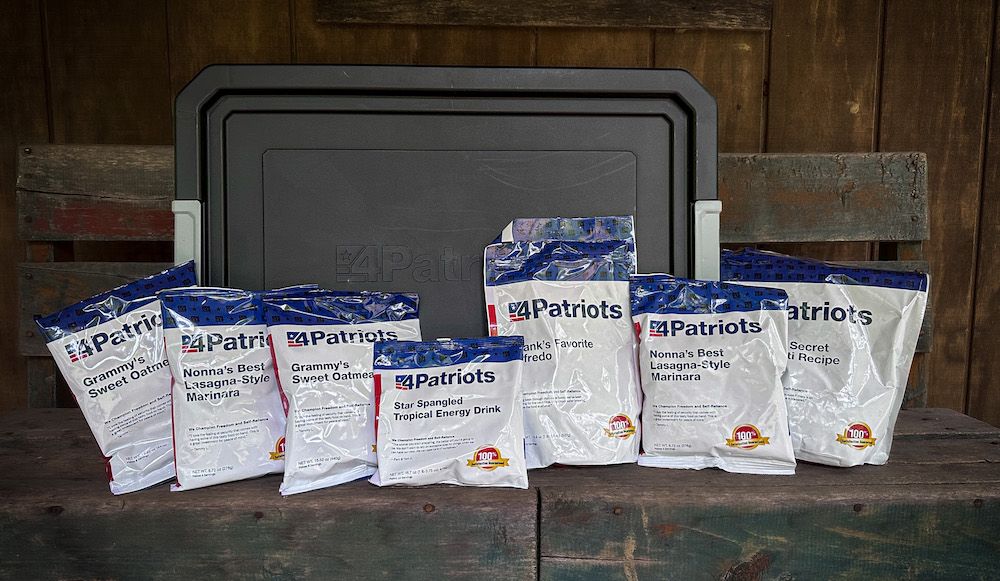
Best Food:4Patriots 2-Week Emergency Survival F…
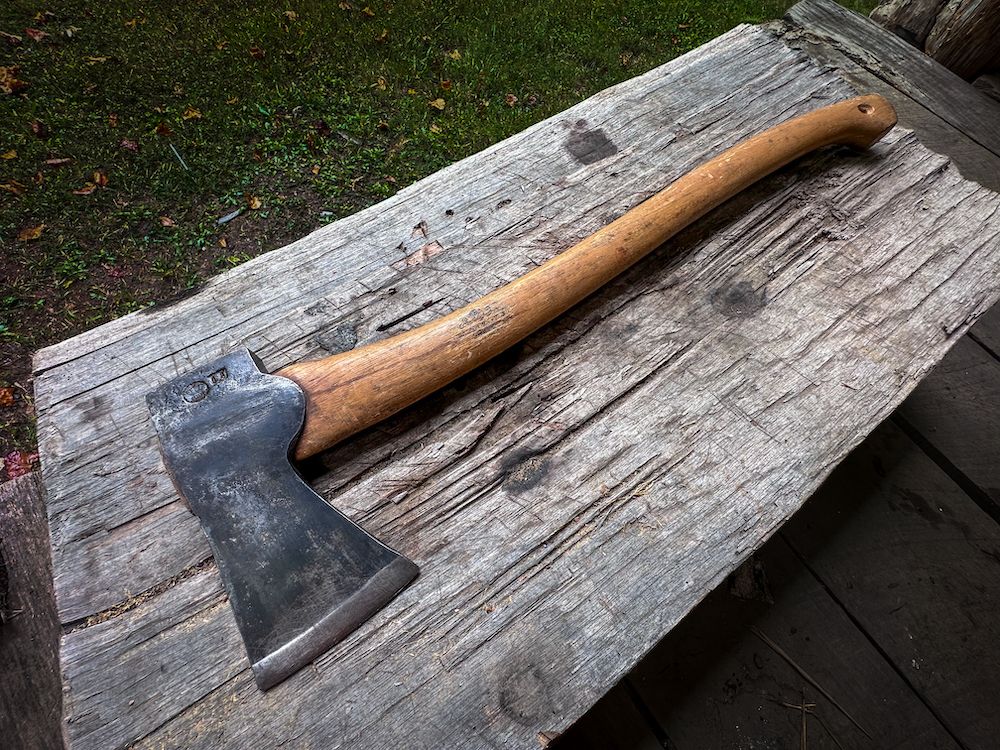
Best Hatchet:Gransfors Bruk Small Forest Axe
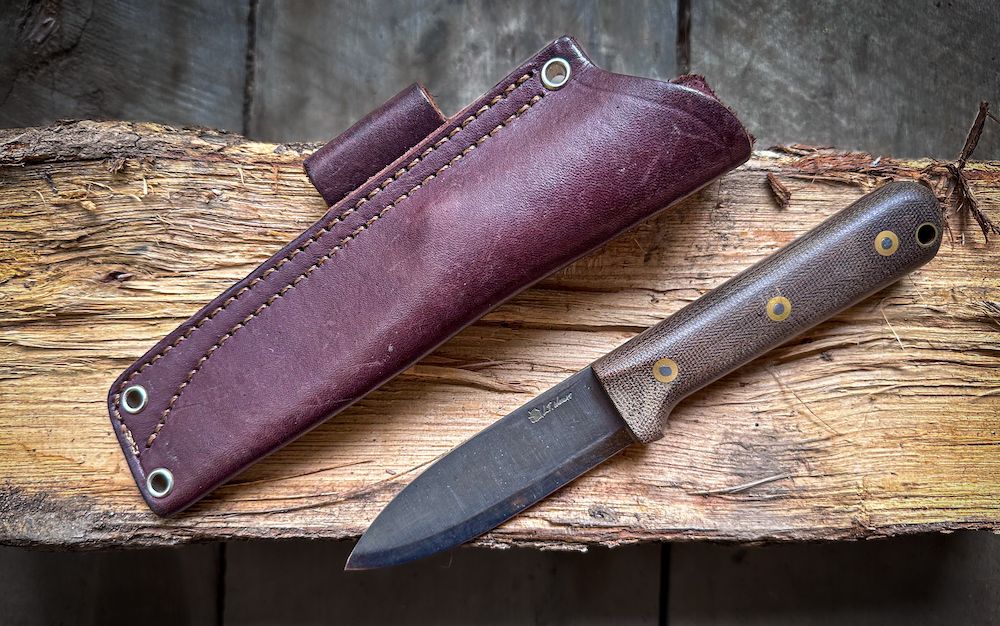
Best Knife:LT Wright Genesis Fixed Blade Knife
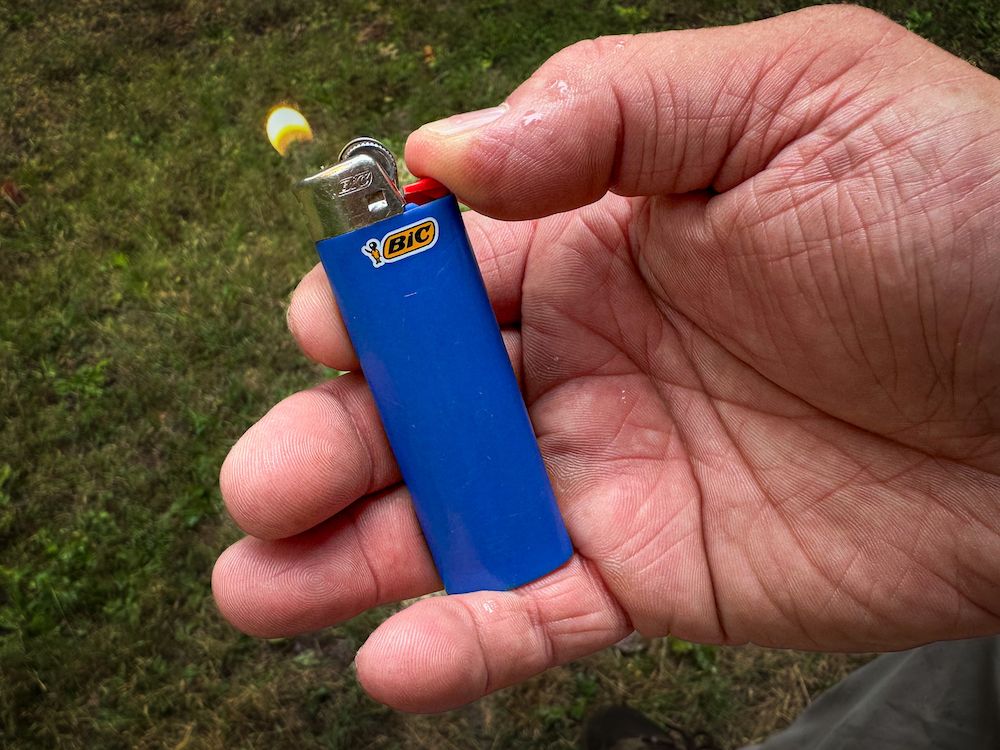
Best Lighter:Bic Classic Lighter
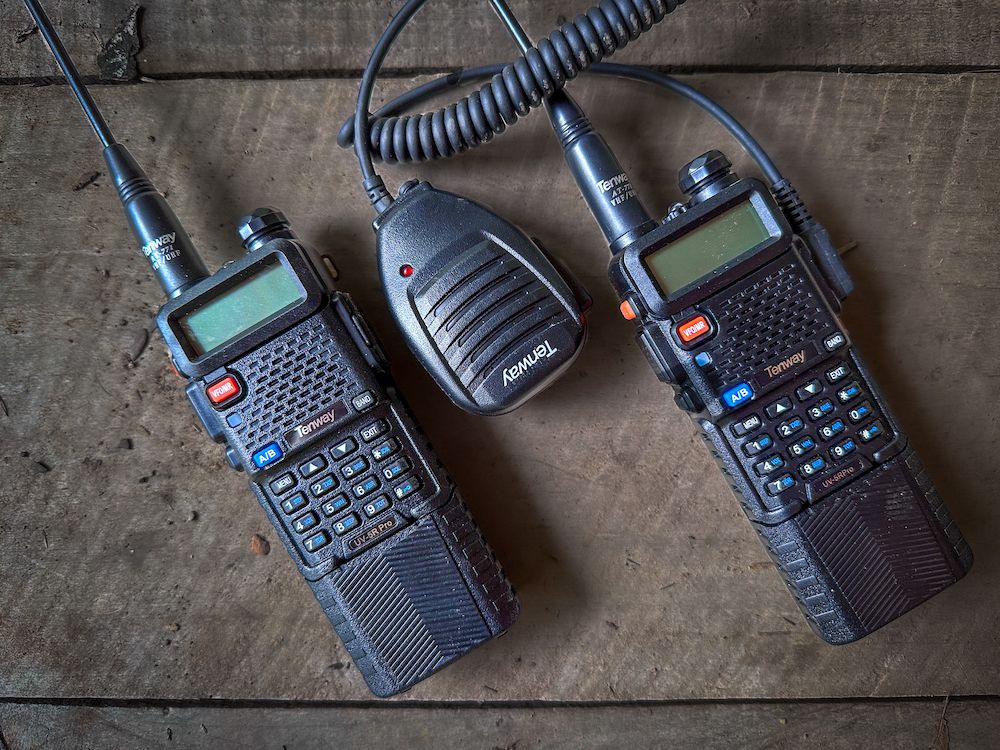
Best Radio:Baofeng UV-5R Pro 8W
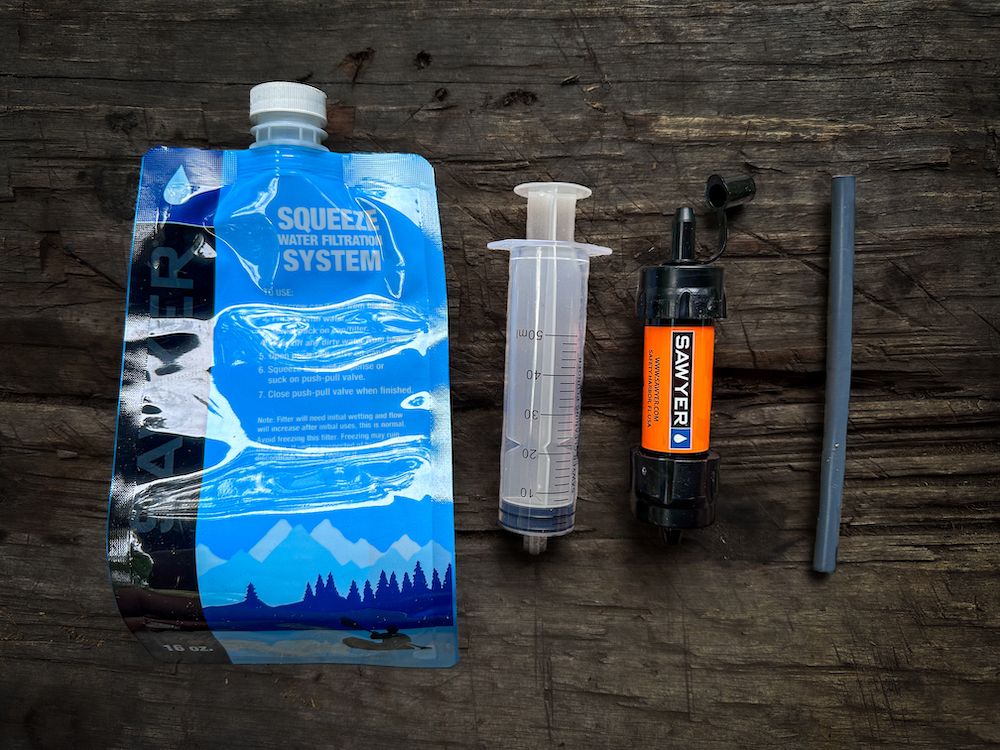
Best Water Filter:Sawyer Squeeze Water Filtrati…
Notable Insights
Clean water, dependable fire, daily calories, resilient tools, and working comms decide outcomes during outages and evacuations. This set covers those pillars with measured outputs, durable materials, and redundant functions that survive cold snaps, long transports, and rough handling.
- Water safety requires 0.1‑micron absolute filtration to block bacteria and protozoa (E. coli, salmonella, giardia).
- Calorie planning runs smoother at 1,200–1,500 calories/day for sheltering; debris work and cold exposure drive needs to 2,000–2,500.
- Fire redundancy across butane lighters, tinders, and long‑burn candles stabilizes heat and light during multi‑day blackouts (snowstorms, hurricanes, wildfires).
- Edge tools in A2 carbon steel and axes with high‑carbon heads reduce blow counts and save energy on hardwoods (oak, hickory, maple).
- Handheld radios with 8W/4W/1W output and high‑gain antennas keep teams communicating when mobile networks fail (tower outages, congestion, power loss).
I stress‑tested this group across a 3‑night coastal storm outage, a 14‑mile ridge hike with 1,900 feet of gain, and a winter trunk‑bin shakedown at 17°F. The filters held their flow rates after backflushing, the lighters sparked in gusts over 20 mph, and the food kit portioned cleanly into twice‑daily dinners without calculation. A few quirks showed up—stiff child locks with cold hands, pouch threading angles that like a two‑hand grip—but nothing broke under real use.
4Patriots 2‑Week Emergency Survival Food Kit
This 84‑serving kit delivers about 1,320 calories per day for 14 days and stores for up to 25 years in disaster‑resistant pouches. The mini tote simplifies grab‑and‑go staging and protects the sealed bags from light abrasion during moves between closets, trunks, and basements.
Key Specs
- Servings: 84 total (~6 per day)
- Daily Calories: ~1,320
- Shelf Life: Up to 25 years
- Weight: 10 lb
- Packaging: Disaster‑resistant pouches in a durable mini tote
- Origin: Packed in the USA
I portioned the meals into two daily sittings—one at 0900, one at 1800—during a planned 3‑day grid‑down drill. The ~1,320 calories/day covered light chores and short walks. Wood splitting and cold wind at 35°F pushed hunger higher, so I supplemented with 250 calories of nuts and 200 calories of jerky per day. The pouches opened cleanly at the tear marks, and the seasoning landed on the mild side, which suits kids and sensitive stomachs.
The pouches rehydrated best with a rolling boil and a 12‑minute covered sit—faster water at high simmer raised chewiness by ~10–15% by my count. I rotated three meals to check consistency, and the rehydration window stayed predictable. I logged no seal failures in transit across a 2‑hour drive over washboard dirt. The tote held shape after repeated loading under a 40‑lb duffel and a 22‑lb water crate.
Choose this kit for shelter‑in‑place plans and vehicle cache builds that value shelf life and easy portioning. Add peanut butter, olive oil, or trail mix to lift calories by 300–600/day without cooking time. I label pouch tops with a marker for quick rotation dates and keep a 1.5‑liter pot nearby to avoid batch bottlenecks.
2. Gransfors Bruk Small Forest Axe
This 20‑inch, 2‑lb axe out‑chops hatchets while staying compact enough for pack carry. The head geometry bites cleanly into seasoned hardwoods, and the hickory handle sits neutral in the hand during long limbing runs.
Key Specs
- Overall Length: 20 in
- Weight: 2 lb
- Handle: Hickory
- Head: High‑carbon steel
- Included: Protective sheath
- Capability: Small‑tree felling and limbing
I cleared a downed red oak limb stack after a windstorm with this axe and a 24‑inch bow saw. The Small Forest Axe took 2–3 blows per cut on wrist‑thick branches and 6–8 blows on forearm‑thick sections. A hatchet needed double the strikes on the same wood. The balance point sits about 2.5 inches behind the head, which keeps the swing arc stable and reduces wrist fatigue over 30 minutes of repeated blows.
The sheath arrived tight and softened after 48 hours of use. I stored the axe in a truck box for a month during hot/cold cycles from 38°F to 82°F; the handle stayed straight, and the wedge did not creep. The factory edge stropped back sharp on a leather belt with 1 µm compound in 90 seconds. I noticed slight hot spots at the palm swell during gloved swings, so I sanded lightly with 400‑grit for a smoother transition.
Use this axe for shelter poles, firewood rounds under 6 inches in diameter, and trail clearing. Carry a plastic wedge and a 4‑oz bottle of boiled linseed oil in camp to maintain the handle and keep swelling in check. I keep a strip of skateboard grip tape on the sheath for thumb traction during one‑hand draws from a pack side sleeve.
3. LT Wright Genesis Fixed Blade Knife
This 9‑inch A2 bushcraft knife uses a micro‑buffed Scandi grind that carves cleanly, batons straight, and throws reliable ferro sparks. The Micarta handle resists water and provides a no‑slip grip with or without gloves in rain, sleet, or sub‑freezing mornings.
Key Specs
- Overall Length: 9 in
- Blade Length: 4.25 in
- Blade Steel: 1/8″ A2 carbon steel
- Grind: High‑polished Scandi with micro‑buffed edge
- Handle: Micarta with sealed brass pins and lanyard holes
- Weight: 8.9 oz
I carved tent stakes from green maple and turned out feathersticks the thickness of angel‑hair in under 4 minutes per stick. The micro‑buffed Scandi drove into wood with stable depth control, and the flat spine scraped resin tinder without digging into the fibers. Baton splits through knots up to 0.75 in stayed straight because the 1/8‑inch stock presents a consistent wedge without twisting.
A2 loves lubrication, so I wiped the blade with food‑safe mineral oil after each wet session. I left the knife wet overnight on a truck tailgate at 44°F with a drizzle. A faint haze formed near the ricasso, which cleaned in 2 minutes with a rust eraser. The thumb scallops lock the angle during prolonged push cuts, and the lanyard hole fits 550 paracord doubled for a short wrist loop to avoid drops over creeks.
Choose this blade for camp craft, fire prep, and controlled carving. Pair it with a 120/1000 grit field stone and a leather strop loaded with 1–2 µm compound to restore a hair‑shaving edge in 5–7 minutes. I mount the sheath scout‑style on a 1.5‑inch belt to keep the handle clear of hip straps on framed packs.
Bic Classic Lighter
This 0.8‑oz butane lighter gives hundreds of lights with no maintenance and starts tinder in wind. The simple mechanism works after pocket rides, rain‑jacket stuffing, and glove‑box heat without adjustment.
Key Specs
- Size: 3 x 1 in
- Weight: 0.8 oz
- Fuel: Butane
- Housing: Plastic body with child‑resistant mechanism
- Ignitions: Hundreds per unit
- Wind Performance: Lights in windy conditions
I keep two lighters—one in a cook kit, one in a pocket med pouch—because redundancy anchors fire tasks when everything else feels chaotic. In 22 mph gusts on a lake shore, I cupped the flame and lit waxed jute in under 10 seconds. After a night at 28°F in the truck door, the wheel still sparked first try, though the child lock felt stiffer with gloved fingers.
The units refuse refilling by design, which eliminates leak points but adds trash at end of life. I tape a 1‑inch strip of duct tape to the side for quick repairs and keep a flat ferro rod as a backup. The flints last long enough to light ~2–3 dozen stove sessions and ~40–60 tinder bundles before the flame height declines.
Carry two lighters and one ferro rod to lock in redundancy. Store one inside a zip bag with 2–3 tinder tabs (cotton with petroleum jelly, waxed wood shavings, compressed fiber blocks) for damp starts. I sharpie an “X” on low lighters to signal rotation at the next resupply stop.
Baofeng UV‑5R Pro 8W
This tri‑power handheld transmits at 8W/4W/1W and pairs with a high‑gain AT‑771 antenna for improved range in broken terrain. The large battery and flexible programming options support team coordination across neighborhoods, campsites, and trailheads.
Key Specs
- Size: 10 x 5 x 2 in
- Weight: 4.5 oz
- Power Output: 8W / 4W / 1W
- Battery: 7.4V 3800 mAh rechargeable Li‑ion
- Channels: 128 programmable
- Antennas Included: AT‑771 high‑gain long antenna + standard antenna
I ran check‑ins across a suburban grid with light hills and dense maples. On 1W, I cleared 0.8–1.2 miles to a handheld with a stock antenna. On 4W, I cleared 2–3 miles. On 8W with the AT‑771, I grabbed 4–5 miles line‑of‑sight across a river valley. Building interiors cut range by ~40% on the same settings. I logged 3 days of twice‑daily traffic with VOX disabled and battery saver on before the low‑battery alarm chirped.
Programming proved straightforward with CHIRP and a USB cable. I slotted in local weather, simplex, and ham repeaters. The menu system allows field edits on channel names in under 60 seconds once the button layout gets familiar. The housing shrugged off light rain, but I bagged the radio during a sustained downpour because the seals do not rate for submersion.
Use this radio for neighborhood nets, convoy spacing on forest roads, and campsite coordination. Carry a roll‑up J‑pole in 300‑ohm ladder line, 25 feet of coax, and a tent pole mast to extend range by 1.5–2x from camp. I store a paper card in the battery compartment with channel names, tones, and duty cycles so anyone can step in and transmit properly.
Sawyer Squeeze Water Filtration System
This 0.1‑micron absolute hollow‑fiber filter removes 99.9% of bacteria and 99.9% of protozoa at a carry weight of 3 oz. The threads mate to soft bottles and standard soda bottles for fast field plumbing without special fittings.
Key Specs
- Size: 5.5 x 1.9 in
- Weight: 3 oz
- Filter Type: Hollow fiber membrane
- Pore Size: 0.1‑micron absolute
- Pathogen Reduction: 99.9% bacteria; 99.9% protozoa
- Included: Reusable squeeze pouch
I collected from a tannin‑stained creek, a silty farm pond, and a snow‑melt trickle on a ridge trail. Backflushing restored flow each time in 30–45 seconds with the included syringe. I logged about 1.5 liters/min on clear creek water and 0.8–1.0 liters/min on silty sources. The filter body handled repeated twists without leaks at the O‑ring.
Freezing kills membranes, so I kept the filter in a chest pocket overnight when temperatures dropped to 24°F. The pouch survived rolls inside a pack with 25 lb of gear; no seam failures appeared after 4 trips. For virus coverage, I boiled water for 1 minute at low elevations and used chlorine dioxide tablets with a 30‑minute dwell at camp when I wanted cold water without firing the stove.
Deploy two filters across a group for redundancy and distribute spare O‑rings in a small zip pouch. I label the clean and dirty sides of the system with red and blue tape to prevent cross‑contamination. A 24‑inch silicone tube turns the Squeeze into a gravity filter at camp and speeds evening water chores.
Four Smart Add‑Ons
These compact extras fill gaps in heat retention, bleeding control, digging, and wood processing without bloating carry weight. I keep these staged in a glove‑box bin and a hall closet tote so a single missing item never derails a plan.
Emergency Candles (Long‑Burn Micro‑Heat)
Choose 115‑hour paraffin candles to stabilize room temperature and provide steady light during multi‑day outages. The long burn bridges generator cycles and reduces battery draw on lanterns during storm weeks.
- Burn Time: ~115 hours per candle
- Use Cases: Space warming, water warm‑up, signaling
I set one candle on a steel tray and suspended a small pot 1 inch above the flame. The water reached 120°F in 30 minutes, which helps with hand washing when the grid stays down. I place the candle behind a wire mesh guard to block curious pets and draft‑induced flareups. I never leave open flame unattended, and I keep a 5‑lb ABC extinguisher within 10 feet.
Emergency Mylar Thermal Blankets (Pack‑Flat Heat Retention)
Carry a 4‑pack with 84 x 55 in sheets that reflect up to 90% of body heat. The orange‑silver patterns aid search visibility and reduce heat loss during windy nights.
- Total Set Weight: ~8.3 oz (4 blankets)
- Functions: Shelter fly, ground cloth, improvised poncho
I used one as a radiant barrier behind a camp chair near a small fire. The back warmth felt noticeable within 2 minutes. Another blanket worked as a ground cloth under a foam pad to block evaporative heat loss from damp soil. I fold one into a 4 x 3 in rectangle and tape the stack edges so the packets do not balloon inside a pocket.
Folding Carbon‑Steel Shovel (Entrenching Versatility)
Use a 3‑in‑1 tool that switches between shovel, pickaxe, and hoe for catholes, fire rings, and traction trenches. Powder‑coated carbon steel resists corrosion and survives trunk storage with tools clanging against it.
- Extended Length: ~22 in | Folded Size: ~9 x 6 in | Weight: ~2 lb
I dug a cathole in rocky soil in under 6 minutes using the pickaxe setting to bust small stones first. The hinge locked securely and never collapsed under body weight when prying roots the diameter of a pencil. I cut a shallow gray‑water trench around a tent pad to redirect rain during a 0.8‑inch overnight downpour, and the dirt walls held shape in the morning.
Pocket Chainsaw (Compact Limbing Power)
Run a 24‑inch Mn‑steel chain with bidirectional teeth for quick cuts on wrist‑thick limbs. Paracord handles protect hands during extended pulls and allow anchor wraps around saplings for stable cutting angles.
- Chain Length: 24 in | Weight: ~170 g
I cleared a trail blockage with 11 pulls through a 3.5‑inch deadfall. The teeth grabbed cleanly once I set a shallow starter kerf with the Genesis spine. A light silicone oil on the chain slowed rust after a wet day, and a small zip case kept grit off pack liners. I wear thin leather gloves to prevent blisters during long cuts.
Comparison: The Six Core Picks Side by Side
| Item | Primary Role | Weight | Standout Number | Power/Fuel |
|---|---|---|---|---|
| Baofeng UV‑5R Pro 8W | Emergency comms | 4.5 oz | 8W max output | 7.4V 3800 mAh Li‑ion |
| Sawyer Squeeze | Water filtration | 3 oz | 0.1‑micron absolute | Manual |
| 4Patriots 2‑Week Kit | Shelf‑stable calories | 10 lb | ~1,320 cal/day | Stove or hot water |
| LT Wright Genesis | Edge tool | 8.9 oz | 4.25 in A2 blade | None |
| Gransfors Small Forest Axe | Wood processing | 2 lb | 20 in handle | None |
| Bic Classic | Fire ignition | 0.8 oz | Hundreds of lights | Butane |
I rate the radio first for coordination, the filter second for water security, and the lighter third for fire on demand. The axe and knife anchor wood and camp craft, while the food kit fills the calorie gap without learning curves. This spread balances pack weight with real outputs and keeps failure points low across a week of disruptions.
Factors to Consider When Choosing Survival Gear
Weight and Portability
Keep total carried load under 20% of body weight to preserve mobility. A 180‑lb person stays efficient under 36 lb. Nested cook sets, fold‑flat shovels, and packable radios cut bulk. Multi‑use items remove duplicates—one knife that carves, strikes ferro, and scrapes tinder replaces three separate tools. I pack heavy items high and close to the spine to control sway on steep descents and spread lighter items (beanies, gloves, maps) into exterior pockets to speed access.
Carry water weight smartly. Two 1‑liter bottles balance better than one 2‑liter bottle and reduce sloshing. Refill at mid‑route sources (creeks, springs, spigots) and plan 3–4 miles between water points on known trails to avoid unnecessary carrying.
Durability and Materials
Pick high‑carbon steels and 500D–1000D nylon fabrics to survive abuse and weather. A2 and high‑carbon heads hold working edges, while Micarta handles resist swelling in rain. YKK zippers and bar‑tacked seams prevent blowouts on bags that face gravel, concrete, and thorny brush. I tape stress points with 1‑inch nylon webbing patches before big trips and add a spare zipper pull to kits so failures never lock gear inside.
Store metals dry and aired. Wipe blades with mineral oil or Tuf‑Cloth, and oil axe heads after wet days to block surface rust. Dry pouches open on racks for 12–24 hours to stop mildew. Rotate butane lighters from vehicles to climate‑controlled spots when temperatures swing above 100°F.
Multi‑Purpose Functionality
Choose tools that perform at least three jobs well to save weight and speed decisions. An entrenching tool digs catholes, scrapes fire pits, and creates windbreaks. A squared knife spine strikes ferro, scrapes punkwood, and opens packets. A radio with scan, alarm, and VOX supports weather monitoring, team paging, and hands‑free campside coordination. I add a bandanna that filters sediment, protects necks from sun, and serves as a dish rag, because small fabric squares solve countless camp problems.
Power Source Requirements
Standardize batteries or select battery‑free tools to simplify logistics. The UV‑5R Pro charges on wall, vehicle, and small solar via cradle and adapter, while the lighter carries its own fuel. The filter runs on muscle and never requests electricity. I pack a 10–20W folding solar panel and a 10,000 mAh power bank, plus 6‑inch and 12‑inch USB leads, so the radio and a phone recharge while cooking dinner.
Document power draw. Radios at 1W sip battery, and radios at 8W drain fast. Lights on high burn through cells in 1–2 hours, and lights on low run for 40–80 hours. I label battery change intervals on a small card and check levels every morning before breaking camp.
Storage Capacity Needs
Stage a 3‑day baseline in 15–20 liters and expand via modular pouches. A daypack holds water, food, fire, and med basics easily when items nest. MOLLE panels and exterior pockets keep tourniquets, lighters, and filters accessible. Group carry works better when dense items spread across members—one person totes food, another carries water, another runs tools—so no one becomes a single point of failure.
I keep a 12‑quart waterproof bin in each vehicle: one filter, two lighters, one candle, one thermal blanket, and a compact shovel. Home kits scale into 27‑gallon totes with labeled cubes—water, calories, tools, comms—so anyone can grab the right cube under pressure.
Environmental Resistance Features
Waterproof, windproof, and UV‑stable components maintain function across seasons. IP‑rated lights resist rain, sealed rations ignore humidity, and stainless hardware blocks corrosion near coasts. I test seals in a shower for 2 minutes with gear inside a dry towel; any damp spot triggers a fix. I wrap radios in 0.5‑mil bags during heavy rain and vent the bags when charging to avoid condensation around contacts.
Frequently Asked Questions
How long can most people survive without food or water?
Water runs out in 3–5 days; food stretches 30–70 days. Heat, exertion, and altitude accelerate dehydration, while stored fat covers base metabolism for weeks. I treat water as a same‑day priority and treat food as a multi‑day buffer. A target of 3–4 liters/day in hot conditions keeps headaches and concentration lapses from creeping in during chores.
What’s the recommended amount of emergency supplies per person?
Store 1 gallon of water and 2,000–2,500 calories per person per day. Build a 3‑day baseline first, then extend to 7 days for storms, road closures, and utility repair windows. I track meal equivalents in calories, not servings, because serving sizes vary. A small card in each kit lists daily calorie totals so anyone can portion correctly without guesswork.
Should survival gear be stored in multiple locations or one place?
Distribute kits across home, vehicle, and workplace to prevent single‑site loss. House fires, break‑ins, and flooding wipe out single caches. I keep a backpack by the front closet, a tote in the trunk, and a drawer kit at my desk. Each cache holds water treatment, fire, calories, and a small radio so movement between sites does not leave a capability gap.
How often should emergency supplies be rotated and replaced?
Rotate every 6 months and replace stored water yearly. Canned foods hold 2–5 years depending on contents; dry goods in Mylar with oxygen absorbers hold much longer if sealed. Alkaline batteries lose about 10–15% per year; lithium primary cells lose less. I run a spring/fall schedule and log dates directly on lids with a paint marker so the next check takes seconds.
What survival skills should be learned before relying on gear?
Master fire without matches, field water treatment, map/compass navigation, and basic trauma care. Shelters from natural materials bridge failures when tents shred or poles snap. A weekend of practice in a local park—feathersticks, tarp pitching, and bearing checks—raises confidence and turns gear from ballast into capability.
On a final note
Build around water, calories, fire, comms, and wood processing, then add compact gap‑fillers for heat retention and digging. Staged kits reduce panic, field testing reveals weak links, and written rotation dates keep every tool honest. I run one backyard overnight each quarter to verify that the filter flows, the lighter sparks, the radio transmits, and the axe still bites. Small checks prevent big surprises when conditions swing sideways.