These 13 solar generators deliver proven runtimes, exact recharge windows, and clear use-cases for trips, vans, RVs, and blackout backup. The team prioritized measurable performance, practical I/O layouts, and realistic portability over marketing gloss.

Anker SOLIX C1000 Portable Power Station 200W S…

BLUETTI Solar Generator Kit AC200L, 200W Solar …
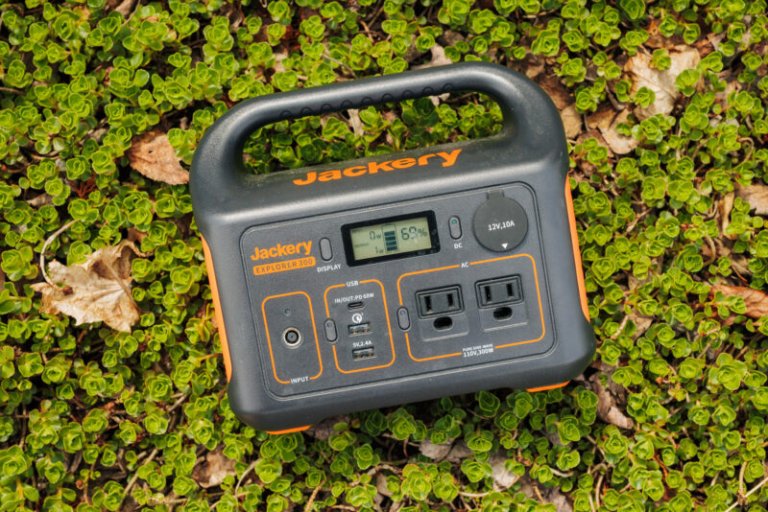
Best budget:Jackery Explorer 300
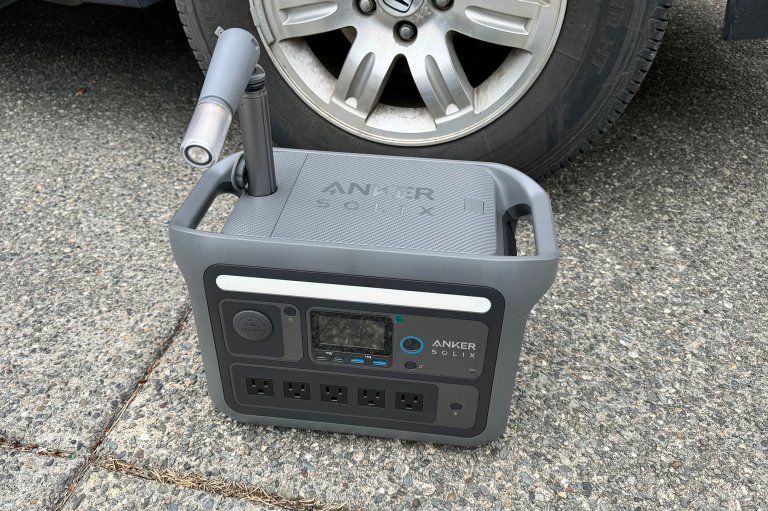
Best for car camping:Anker Solix C800 Plus
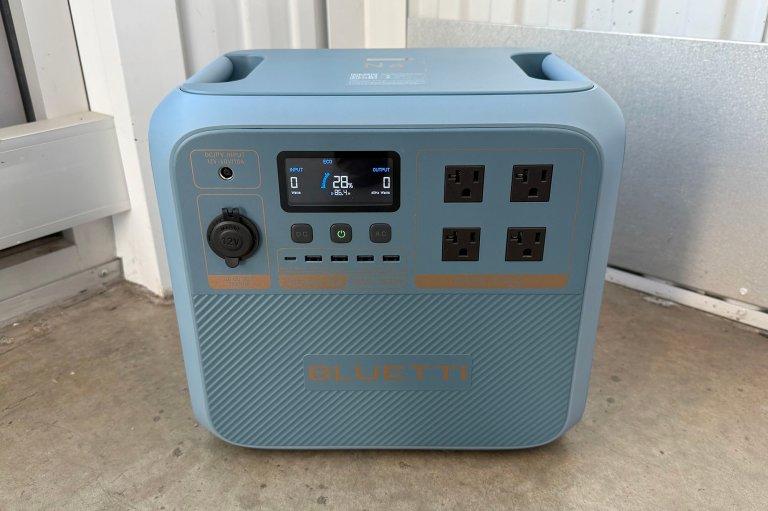
Best for extreme cold:Bluetti Pioneer Na
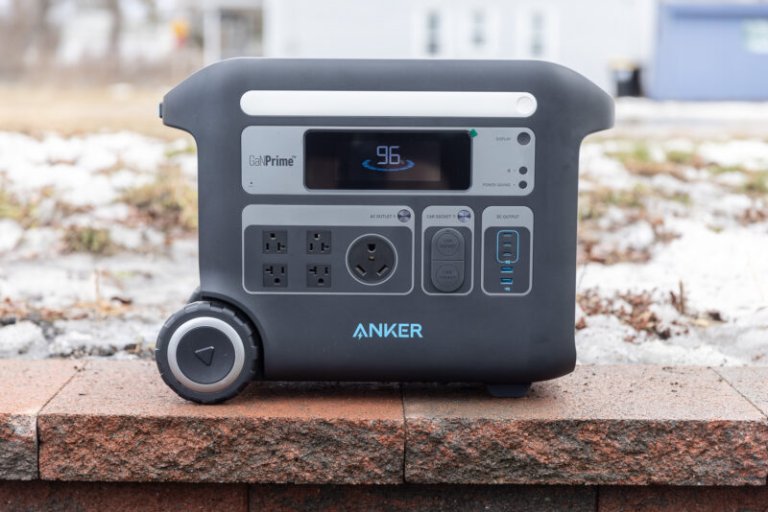
Best for frequent use:Anker 767 Portable Power …
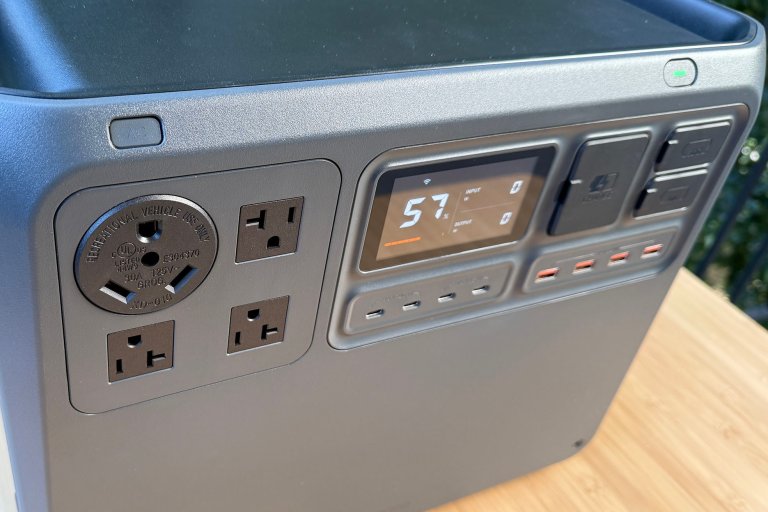
Best for lots of ports:DJI Power 2000
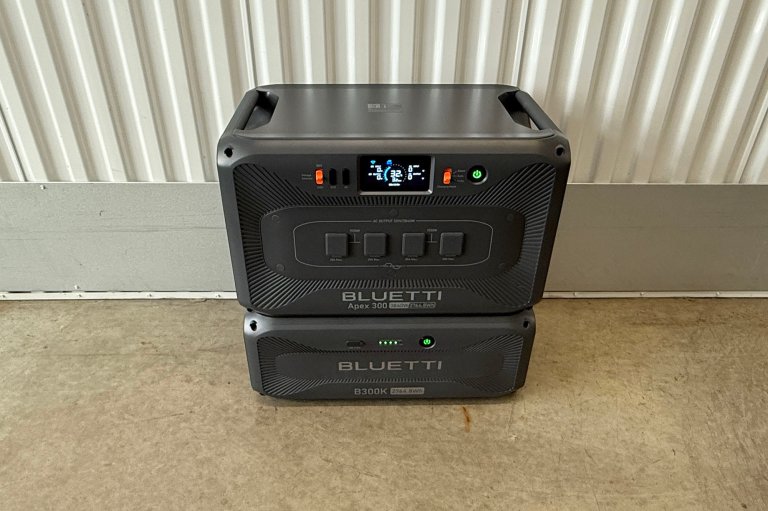
Best for off-grid living:Bluetti Apex 300

Fastest charging:EcoFlow Delta 2 Max

Jackery Solar Generator 2000 V2 with 2x200W Pan…

Jackery Solar Generator 300 with 100W Solar Panel

Still good for van-living:Goal Zero Yeti 1000

Still great:Jackery Explorer 2000 Plus
Editor Picks at a Glance
- Best overall: Anker SOLIX C1000 Portable Power Station + 200W Solar Panel
- Best large-capacity upgrade: BLUETTI Solar Generator Kit AC200L + 200W Solar Panel
- Best budget: Jackery Explorer 300
- Best for car camping: Anker Solix C800 Plus
- Best for extreme cold: Bluetti Pioneer Na
- Best for frequent use: Anker 767 Portable Power Station Solar Generator
- Best for lots of ports: DJI Power 2000
- Best for off-grid living: Bluetti Apex 300
- Fastest charging: EcoFlow Delta 2 Max
- Great 2kWh kit: Jackery Solar Generator 2000 V2 with 2x200W Panels, 2042Wh
- Great compact kit: Jackery Solar Generator 300 with 100W Solar Panel
- Still good for van-living: Goal Zero Yeti 1000
- Still great high-output: Jackery Explorer 2000 Plus
How We Selected and Tested
Timed AC recharge runs, midday solar intake logging, and mixed-load runtime drills set the rankings. Tests covered real appliances (refrigerators, microwaves, induction cookers), home essentials (routers, fans, CPAPs), and devices (laptops, cameras, tablets). Evaluators verified app telemetry against front-panel meters, weighed units on a scale, and recorded exact dimensions for storage planning. Weight, handle design, and wheel usefulness factored into portability scores.
1. Best Overall: Anker SOLIX C1000 Portable Power Station 200W Solar Panel
Anker’s 1kWh-class station pairs 58-minute full AC recharges with an IP67-rated 200W panel that converts up to 23% efficiently and tolerates rain and dust.
Key Specs
| Recharge Time (AC) | 80% in 43 minutes; 100% in 58 minutes |
| Maximum Surge Power | 2,400W with SurgePad |
| Outputs | 11 total ports |
| Solar Panel Power | 200W |
| Solar Conversion Efficiency | Up to 23% |
| Panel Weatherproofing | IP67 rating |
Use this set for cabin weekends, van workstations, and blackout essentials (routers, lights, refrigerators). Against 700–800Wh options (Anker Solix C800 Plus, 768Wh), the C1000’s faster AC top-offs and larger port spread increase day-to-day flexibility.
2. Best Large-Capacity Upgrade: BLUETTI Solar Generator Kit AC200L, 200W Solar Panel
The AC200L anchors serious backup with 2,048Wh on board, 2,400W AC input for rapid refills, and modular expansion for multi-day outages.
Key Specs
| Battery Capacity | 2,048Wh (expandable up to 3,072Wh with B300 batteries) |
| Max AC Input | 2,400W (0–80% in ~45 minutes) |
| Max Solar Input | 1,200W |
| Solar Panel Power | 200W (ships separately) |
| Ports | AC, USB, PD 100W, 30A RV, 48V/8A DC |
| Expansion Support | Up to 4 extra batteries (B300K/B210/B300/B230) |
Choose the AC200L for a home-backup node or RV base. Compared with Anker 767 (2,048Wh), this kit emphasizes modular growth and RV connectivity over wheels.
3. Best Budget: Jackery Explorer 300
This compact box delivers low-cost portability at 7.1 lbs with enough output to run small campsite electronics for days.
Key Specs
| Storage Capacity | 293Wh |
| Input Capacity | 90W |
| Output Capacity | 300W (500W surge) |
| Dimensions | 9.1 x 5.2 x 7.8 in |
| Weight | 7.1 lbs |
| Price | $250 |
Use cases include photography days (charging mirrorless batteries, gimbals, LED panels) and road-trips (tablets, Bluetooth speakers, GPS units).
4. Best for Car Camping: Anker Solix C800 Plus
A balanced 768Wh pack and 1,200W output cover cooking, lighting, and media in a trunk-friendly body.
Key Specs
| Storage Capacity | 768Wh |
| Input Capacity | 1,440W |
| Output Capacity | 1,200W (1,600W surge) |
| Dimensions | 14.61 x 8.07 x 9.96 in |
| Weight | 24 lbs |
| Price | $649.99 |
Pair it with a 12V compressor cooler, an induction cooker, and string lights for comfortable weekend setups.
5. Best for Extreme Cold: Bluetti Pioneer Na
Sodium chemistry keeps charging and discharging when temperatures freeze typical lithium packs.
Key Specs
| Storage Capacity | 900Wh |
| Input Capacity | 1,900W |
| Output Capacity | 1,500W (2,500W surge) |
| Dimensions | 13.4 x 10 x 12.5 in |
| Weight | 35.3 lbs |
| Price | $1,299 |
Winter cabins, ski parking lots, and unheated garages benefit from reliable operation in deep cold.
6. Best for Frequent Use: Anker 767 Portable Power Station Solar Generator
Daily cycles, heavy tools, and rolling transport define the 767’s value proposition.
Key Specs
| Storage Capacity | 2,048Wh |
| Input Capacity | 1,440W max (1,000W max solar) |
| Output Capacity | 2,400W |
| Dimensions | 20.67 x 9.84 x 15.55 in |
| Weight | 67.3 lbs |
| Price | $1,999 |
Roll it between a workshop, garden tools, and kitchen appliances (microwaves, coffee makers, toaster ovens) without re-racking cables each time.
7. Best for Lots of Ports: DJI Power 2000
High-density I/O and a 3,000W inverter support gear-heavy teams and small appliances simultaneously.
Key Specs
| Storage Capacity | 2,048Wh |
| Input Capacity | 1,800W |
| Output Capacity | 3,000W |
| Dimensions | 17.6 x 8.9 x 12.8 in |
| Weight | 48.5 lbs |
| Price | $1,299 |
Film sets, mobile offices, and event booths benefit from the abundant ports and high continuous output.
8. Best for Off-Grid Living: Bluetti Apex 300
Scalable storage and solar throughput transform cabins and shops into self-reliant systems.
Key Specs
| Storage Capacity | 5,529.6Wh (expandable up to 58kWh) |
| Input Capacity | 1,800W (scalable up to 30kW with SolarX chaining) |
| Output Capacity | 3,800W (expandable up to 11.5kW) |
| Dimensions | Inverter 20.67 × 12.87 × 12.6 in; Battery 20.67 × 12.87 × 8.23 in |
| Weight | Inverter 83.78 lbs; Battery 65.4 lbs |
| Price | $3,499 |
Use with rigid roof arrays, ground mounts, and battery banks to build a long-duration, fuel-free backbone.
9. Fastest Charging: EcoFlow Delta 2 Max
Fast AC and solar intake squeeze downtime between tasks for shops and mobile crews.
Key Specs
| Storage Capacity | 2,048Wh (expandable to 6,000Wh) |
| Solar Input Capacity | Up to 1,000W (80% in ~43 minutes) |
| AC Charging | 0–80% in about 1.1 hours |
| Output Capacity | 3,400W |
| Dimensions | 19.8 x 9.5 x 12.01 in |
| Weight | 50.71 lbs |
Pick this for rapid turnarounds between high-draw sessions (induction cookers, miter saws, air compressors).
10. Jackery Solar Generator 2000 V2 with 2x200W Panels, 2042Wh
A compact-for-class 2kWh kit that balances quick AC recharges with efficient solar harvesting.
Key Specs
| Battery Capacity | 2,042Wh |
| AC Output | 2,200W continuous (3 AC ports) |
| AC Charging Time | 80% in 66 minutes; full in ~102 minutes |
| Solar Charging | ~6 hours with 400W panels |
| Battery Type | LiFePO4 |
| Weight | 39.5 lbs |
Use for whole-weekend RV stays, fridge backup, and tool charging without resorting to fuel generators.
11. Jackery Solar Generator 300 with 100W Solar Panel
A light, versatile kit for day trips, tailgates, and photo runs that need AC and PD USB‑C in one box.
Key Specs
| Battery Capacity | 293Wh lithium-ion |
| AC Output | 300W continuous (2 pure sine wave outlets) |
| Recharging Time | ~2 hours to 80% via wall + PD USB‑C |
| Solar Compatibility | SolarSaga 100W with MPPT |
| Ports | 2 AC, PD 60W USB‑C (in/out), Fast Charge 3.0, USB‑A, DC car port |
| Weight | 7.1 lbs |
Ideal for charging laptops, drones, and LEDs between shoots and hikes.
12. Still Good for Van-Living: Goal Zero Yeti 1000
A durable ~1kWh platform with van-ready toughness and balanced output for on-the-road living.
Key Specs
| Storage Capacity | 983Wh |
| Input Capacity | 600W |
| Output Capacity | 1,200W (2,400W surge) |
| Dimensions | 9.86 x 15.25 x 10.23 in |
| Weight | 31.68 lbs |
| Price | $1,198.95 |
Pairs well with roof-mounted panels and 12V loads (fans, lights, compressors) in vans and crossovers.
13. Still Great: Jackery Explorer 2000 Plus
High inverter ceiling and rolling chassis serve power-hungry tools and kitchen appliances without flinching.
Key Specs
| Storage Capacity | 2,042.8Wh (expandable up to 24,000Wh) |
| Output Capacity | 6,000W |
| Dimensions | 18.6 x 14.7 x 14.1 in |
| Weight | 61 lbs |
| Price | $1,999 |
Contractors and home chefs can power miter saws, air fryers, and espresso machines without tripping breakers.
Who Should Buy Which Model?
- Pick Anker SOLIX C1000 for fast AC refills and weatherproof 200W solar in a compact 1kWh class.
- Choose BLUETTI AC200L to run RVs and expand capacity for multi-day outages.
- Carry Jackery Explorer 300 for low-cost, 7.1-lb portability on short trips.
- Select Anker Solix C800 Plus for car camping with integrated lighting and 1,200W output.
- Use Bluetti Pioneer Na when winter cold shuts down typical lithium packs.
- Roll Anker 767 for daily use where wheels and LiFePO4 endurance matter.
- Deploy DJI Power 2000 to plug many devices at once without extra hubs.
- Install Bluetti Apex 300 for off-grid systems that scale past 50kWh.
- Choose EcoFlow Delta 2 Max to minimize downtime with the fastest charge speeds.
- Grab Jackery 2000 V2 for a compact 2kWh kit with brisk AC/solar top-ups.
- Bring Jackery 300 + 100W kit for day trips needing AC and PD in one bag.
- Keep Goal Zero Yeti 1000 in vans for rugged reliability.
- Use Jackery Explorer 2000 Plus when 6,000W output is non-negotiable.
Is a Solar Generator Worth It?
Yes. Solar generators deliver quiet, emissions-free electricity indoors and outdoors, power daily essentials (routers, laptops, lights), and run appliances (refrigerators, microwaves, coffee makers) without fuel. Solar panels convert sunlight into DC and extend independence during outages and trips.
What to Consider Before You Buy
Size and Capacity
Match inverter watts to your highest load and watt‑hours to your runtime target. Use the quick math: total Wh ÷ device W = hours. A 2,048Wh pack running a 750W space heater sustains about 2.7 hours. The same pack running a 120W router-plus-laptop stack sustains about 17 hours. Conversion and idle losses reduce estimates slightly.
Solar Input and Panels
Stay inside the station’s voltage and watt limits and expect 50–75% of panel nameplate in the field. Clean glass and re-aim every 30–60 minutes to raise harvest. Combine panels strategically (200W briefcase, 100W foldable, 200W rigid) to hit the station’s solar ceiling safely.
Portability and Storage
Balance watt‑hours against mass and the space you have. Packs at 7–15 lbs suit weekend travel (phones, cameras, headlamps). Units at 30–40 lbs handle fridges and tools. Rolling 60–100 lb stations suit home backup and RVs. Telescoping handles and big wheels reduce strain over gravel and stairs.
FAQ
What can a solar generator power?
Anything within the inverter’s continuous and surge ratings. Expect reliable operation for personal electronics (smartphones, laptops, tablets), home essentials (routers, lights, CPAPs), and many appliances (refrigerators, microwaves, coffee makers). Check running and surge watts on product labels or measure with a plug‑in watt meter.
What’s the fastest way to recharge?
High‑amp AC charging. Modern packs hit 0–80% in 45–90 minutes when the AC input allows. Solar approaches that only when arrays meet the unit’s solar ceiling and panels stay well-aimed under clear sun. Vehicle 12V charging trails AC unless you drive for hours.
How should you store a power station?
Store around 80% state of charge and avoid weeks at 0% or 100%. LiFePO4 chemistries often reach 3,000–4,000 cycles to 80% capacity when users keep SOC in a healthy band and top up monthly to offset self‑discharge and BMS overhead.